A collection should make the next purchase feel obvious. That requires a shared design system and complementary product roles—not the same artwork pasted onto every available item.
Define the collection promise
Name the room, person, mood and use occasion. A 'calm botanical bathroom refresh' is more useful than 'green collection' because it guides product choice, imagery and copy.
Give products different roles
- Hero product: the piece that earns attention
- Entry product: a lower-risk first purchase
- Companion product: completes the room or routine
- Gift product: easy to understand without measuring the space
- Expansion product: extends a proven design into a new use
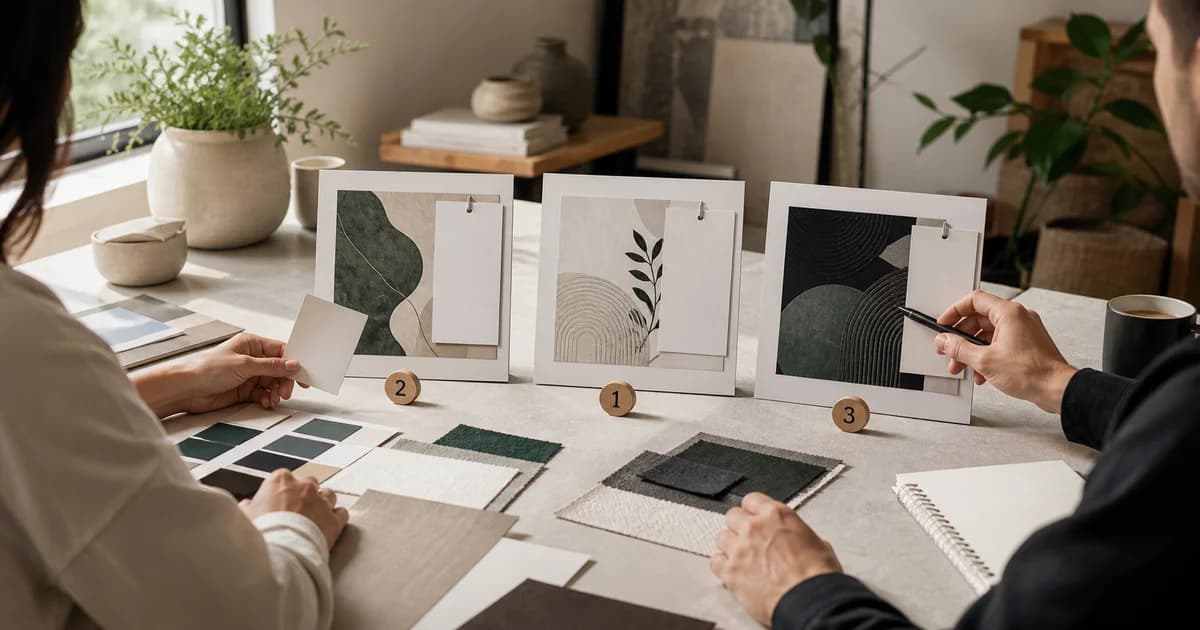
Build a design grammar
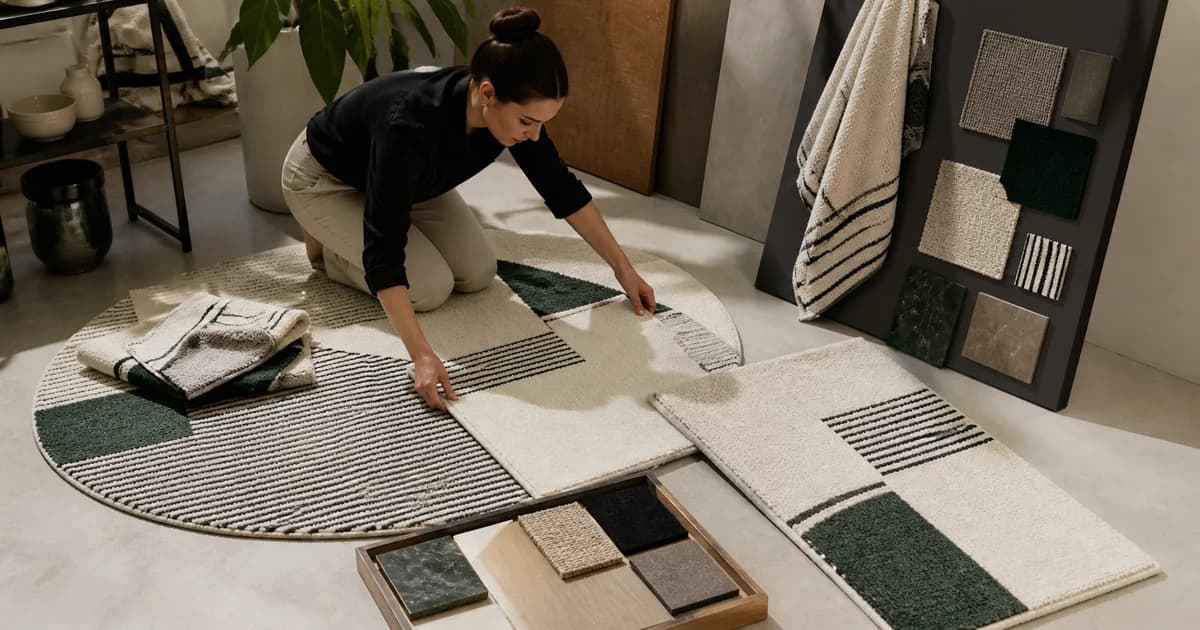
Choose recurring color ratios, line weight, motif family, spacing and edge behavior. Adapt the composition to each product's shape and viewing distance. A round rug needs radial balance; a towel may need a strong vertical read.
Merchandise with scenes and bundles
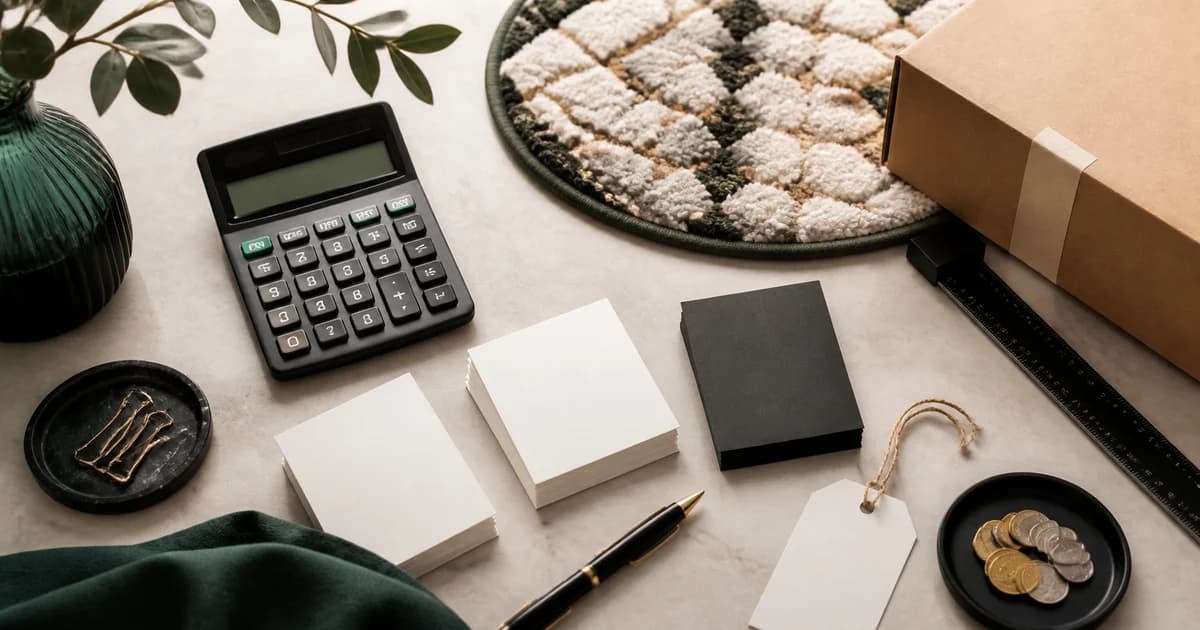
Photograph compatible products together, but keep individual product truth clear. Link companions in descriptions and create bundles only after verifying the combined margin, packaging and customer expectation.
Launch in chapters
- Start with one hero and two companions.
- Measure which product and motif attract qualified traffic.
- Add variants that answer observed demand.
- Retire weak pieces so the collection stays legible.
A useful collection combines one recognizable promise with different product roles. Coherence grows average order value; repetition alone creates clutter.